
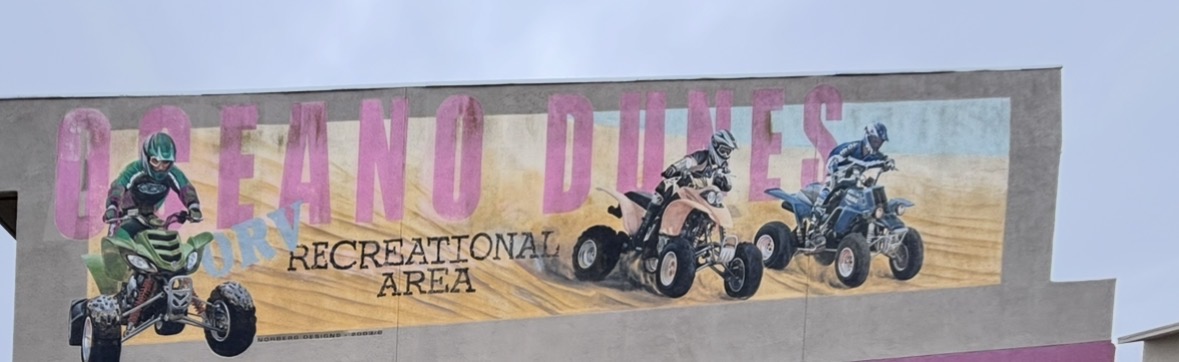
At the edge of Grover Beach, where Pacific gusts sculpt the land, a stunning coastal landscape resides. The Dunes, a playground and preserve for so many. For decades, this stretch of the California coast has been in the spotlight of a conflict. The battle between people who view this land as an irreplaceable recreation area and those who see it as a fragile ecosystem in need of protection.
Now, as state policies tighten and public opinion is divided, the question of whether recreation and conservation can truly coexist on the dunes has become a defining issue.
The Oceano dunes have been used for off-highway vehicle recreation since the early 1900s. By the 1970s, it became one of California’s most popular off-road destinations. For so many, it became a tradition, and for others, a business.
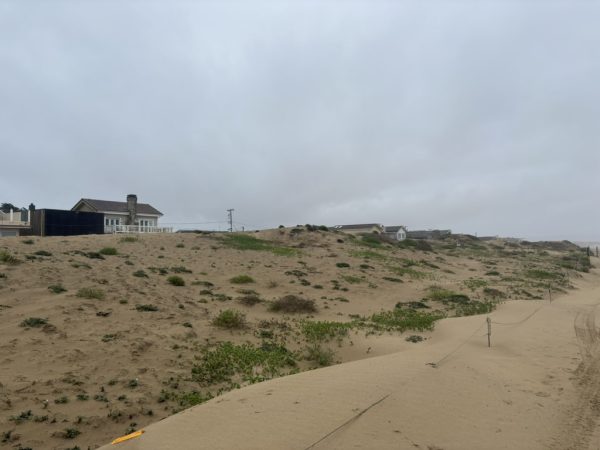
But decades of use have taken their toll. Vehicle traffic, dust, and erosion have clashed with environmental laws protecting species like the Western Snowy Plover and California Least Fern, both of which are listed federally and threatened. State agencies and local advocacy groups have spent years in court debating how to balance the different interests of the site.
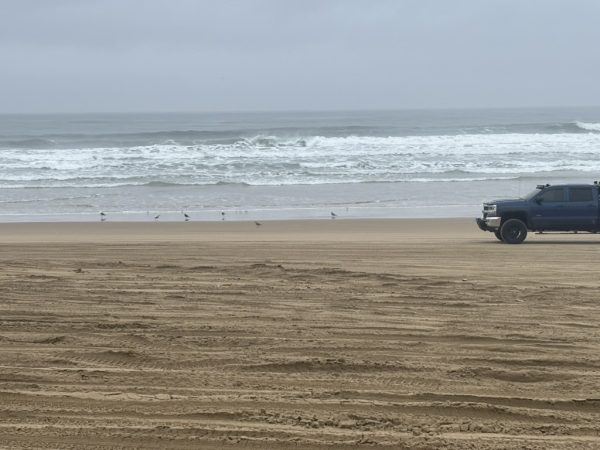
Jim Suty, President of Friends of Oceano Dunes, has spent over 20 years fighting to preserve public access.
“We’re not just fighting for fun. We’re fighting for culture, for family, [and] for tradition. For a hundred years, people have been coming to this beach. Grandparents taught their kids to camp here, to surf, to ride. That’s a heritage we’re trying to protect,” Suty said.
Suty argues that recreation and the environment can and already do coexist.
“We care about the dunes just as much as anyone. The idea that off-roaders don’t care about nature is wrong. We’ve worked with State Parks for years to protect sensitive species and restore habitat. But we believe people should still have the right to enjoy these lands responsibly,” Suty said.
He points to recent closures as examples of governmental overreach.
“When they shut down large portions of the dunes, it wasn’t based on sound science. Dust levels weren’t even proven to come from our area. They’ve taken away thousands of acres from public use without proper justification,” Suty said.
For Suty and his group, this is not just a matter of recreation but also principle.
“These are public lands. They belong to everyone, not just one group. You can protect the environment and still let people access it. We’ve been doing that for years,” Suty said.
On the other side of this debate is Ronnie Glick, a restoration specialist with the Coastal San Luis Resource Conservation District and longtime partner with California State Parks. He sees a different reality playing out on the dunes.
“These ecosystems are among the most fragile on the Central Coast. The dunes here are dynamic — constantly shifting, shaped by wind and sea. When vehicles compact the sand or tear up vegetation, it doesn’t just leave tracks; it changes how the entire landscape functions,” Glick said.
For Glick, protecting this land is not about policies; it’s about preserving what is native to the land.
“We’ve lost more than 90 percent of coastal dune habitats in California. This is one of the last intact systems left. The species that live here [like the snowy plover] depend on open sand to nest. When that space disappears, so do they,” Glick said.
In recent years, Glick’s team has focused on habitat restoration. More specifically, native dune vegetation is removing invasive iceplant and working to stabilize eroding areas.
“We’ve seen real success. Vegetation is coming back, wildlife is returning. But every time vehicles expand into new areas, we lose progress,” Glick said.
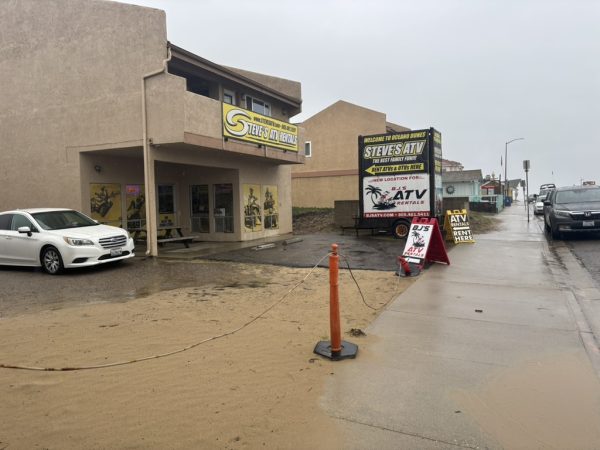
Beyond the environmental and cultural arrangements, the dunes are also an economic magnet for the central coast. Grover Beach and Oceano rely heavily on the tourism that off-roading brings. Things like RV rentals, restaurants, shops, and hotels all depend on this influx of visitors.
Suty worries that these continual closures would have a lasting economic impact.
“If they shut this down completely, you’re going to devastate local businesses. Thousands of people depend on the recreation economy. We’ve seen towns that lose their off-road areas turn into ghost towns,” Suty said.
Glick acknowledges that tension but insists that long-term sustainability matters most.
“Economic health is important. But it has to go hand in hand with ecological health. If we destroy the dunes, we lose something we can never get back. Conservation isn’t anti-people — it’s about ensuring future generations have something left to enjoy,” Glick said.
Between lawsuits, regulations, and decades of distrust, finding that middle ground will not be easy. The one thing both men can agree on however, is that the dunes deeply matter to everyone.
“There’s a lot more common ground than people think. Most recreationists care about the environment. Most conservationists understand the cultural importance of this place. We just need more dialogue, less division,” Glick said
Suty echoes that same sentiment from his side of the fence.
“We’re open to solutions. We’re not the enemy. We just want to be part of the conversation. Let’s work together to protect the dunes and the people who love them,” Suty said.
As the debate continues, the sand will keep shifting, both figuratively and literally. State parks are still implementing parks of the Public Works Plan that will reshape access to the dunes.
For now, the dunes remain both a playground and a preserve. A symbol of the ongoing struggle of what public land really means.