
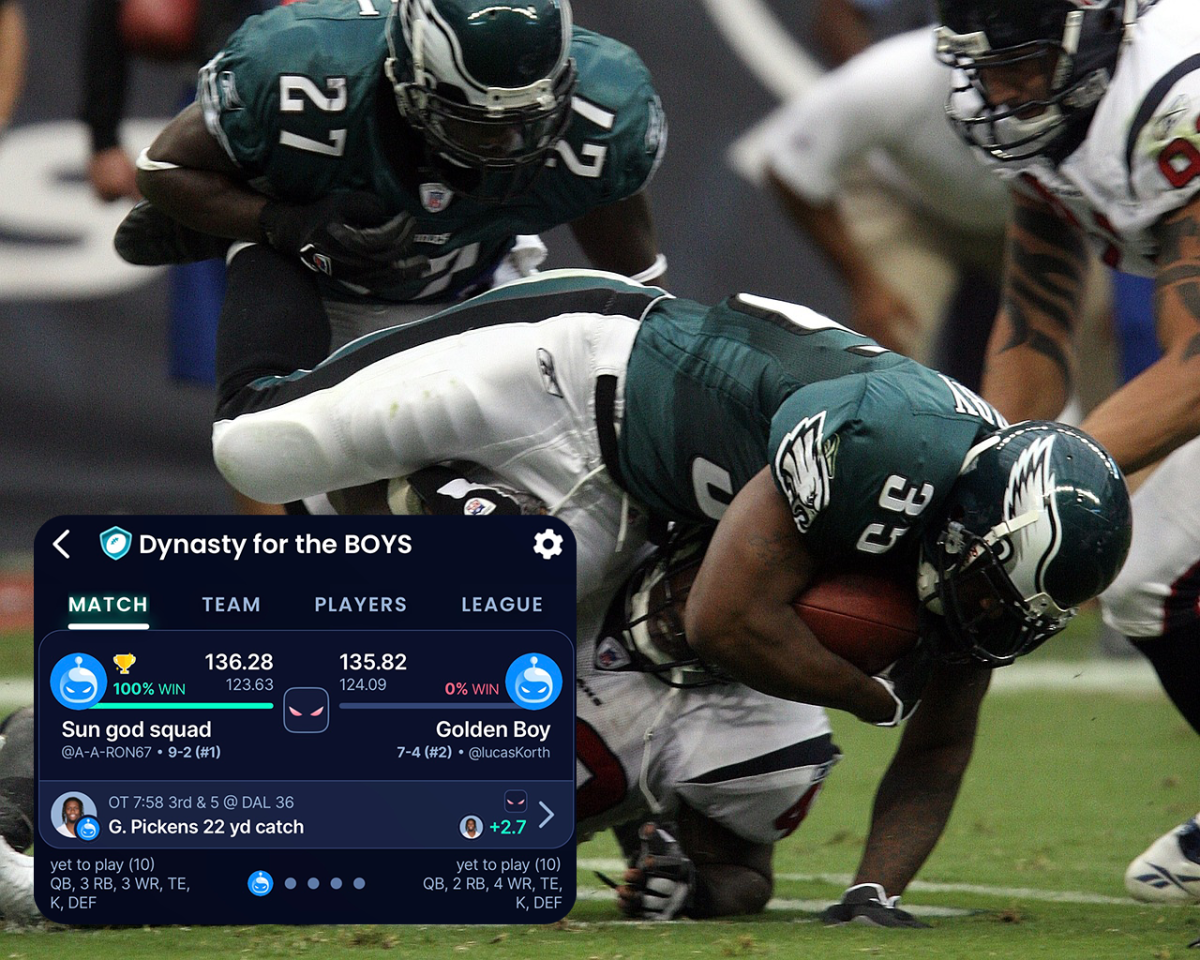
Fantasy Football is a game where each player drafts a team composed of NFL athletes who score points based on on-field performances. Throughout the season players set lineups, make trades, and free agency claims, causing game days to be a test of strategy and luck.
Originally invented in 1962 by Bill Winkenbach, Gordon Stirling, and Bill Tunnell, the first draft was held in August of 1963. (Wikipedia)
Over 60 years later, Fantasy Football has evolved into a universal hobby. It has found a new home in high schools where students bring just as much intensity and competition as the athletes on the field, fostering friendly competition that turns to rivalries and debates among peers.
Gavin Fitzpatrick (‘26) has been playing Fantasy Football for about 6 to 7 years and participates in 2 leagues.
“[Trade] get pretty bad. So I just did a trade with Toby (‘26) because Toby is playing Chase (‘26) this week, and [I traded] Matthew Stafford for Rashid Shaheed, ‘cause Toby doesn’t have a quarterback. Chase was crashing out because if he loses this week, it’s not looking good,” Fitzpatrick said.
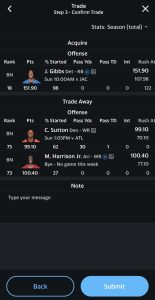
Interactions such as this show the fine line between fun and frustration. Though seen as a simple trade, its ripple effects on placements and match ups are substantial, in turn sparking further conversation among league mates.
Despite the drama and intensity from trades and standings, the competition brings league mates closer together as it gives them a common ground.
“[Fantasy Football is the thing we talk about the most]. Ever since football season started, it’s a daily thing,” Fitzpatrick said. “It definitely made my friendship better with [my league mates] because it gives us something to talk about. It’s hard to talk to someone when you don’t really have much in common.”
Fantasy Football works almost as a common language and activity, a lifeline to keep people connected. The trades, free agency pick-ups, points, and match ups are vital for staying connected. They turn acquaintances into friends through routine communication, strong bonds, and ultimately creating a sense of community.
As students transition into different stages of life the more important it is to keep connections and traditions alive. Senior Tane Kurth (‘26) has been playing Fantasy Football for 3 years and is in a league with Fitzpatrick. Next year, Kurth will be playing baseball at Puget Sound.
“With Fantasy Football, you don’t have to be in person, so when we all go off to college next year, we’re all going off to different parts of the country and can still play our same league with our same guys,” Kurth said.”It’s kind of cool, it gives us something to talk about and hopefully keeps us close.”
As people separate, that sense of connection among each other feels more important. Originally a game used for playful banter, Fantasy Football has become something more as it provides friend groups with a sense of connection despite distances.
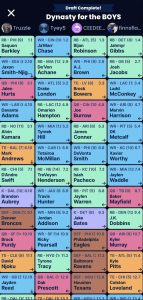
“We always do an activity to determine draft order. This year, we did the 40-yard dash in the ocean and sand. Averaged out the time. The fastest would be first pick, [and] the second fastest second pick,” Richwine said. “ My best memory would be the draft day because it’s fun to determine who drafts where and to hang out with everybody, eat good food.”
Traditions like deciding who is drafting first and having hangouts to watch the game together help make memories and connections that transcend the time at high school. Each act like a trade reinforces the belonging of members in the league. In the end, the greatest accomplishment in Fantasy Football among students isn’t winning the league; it’s about the connections between each other.