
Beverages in modern-day society have skyrocketed in popularity and consumption. From morning coffees to popular energy drinks, it’s nearly impossible to walk to class without spotting one in someone’s hand. Teens’ experiences of their parents often saying they need coffee in the morning has transformed into teens’ own dependency on beverages, likewise. Adolescent consumption of sugar-sweetened beverages has increased by over 300% in the past thirty years in the United States (National Library of Medicine). It’s not a secret, social media platforms like TikTok and Instagram undergo beverage trends of new Starbucks drinks to try or different flavor lattes to order next.
The growing popularity of having a beverage at school has emphasized how motivation is the primary reason students get drinks, shifting away from possible nutritional and financial aspects that should be taken into account. Many students report that bringing a beverage to school helps them get through the day, or even pushes them to get out of bed in the morning.
“I feel like I can focus better, and I have something motivating me to go to school. I’ll have a better day at school knowing I’ll get Starbucks on the way”, Roxie Ford (‘27) said.
Similarly, for many students, drinks act as both a motivator and a small reward during the school day.
“Having a drink is a good way to distract myself from school, and almost acts as a reward most of the time”, Sophia Eagles(’27) said.
Nutritional values
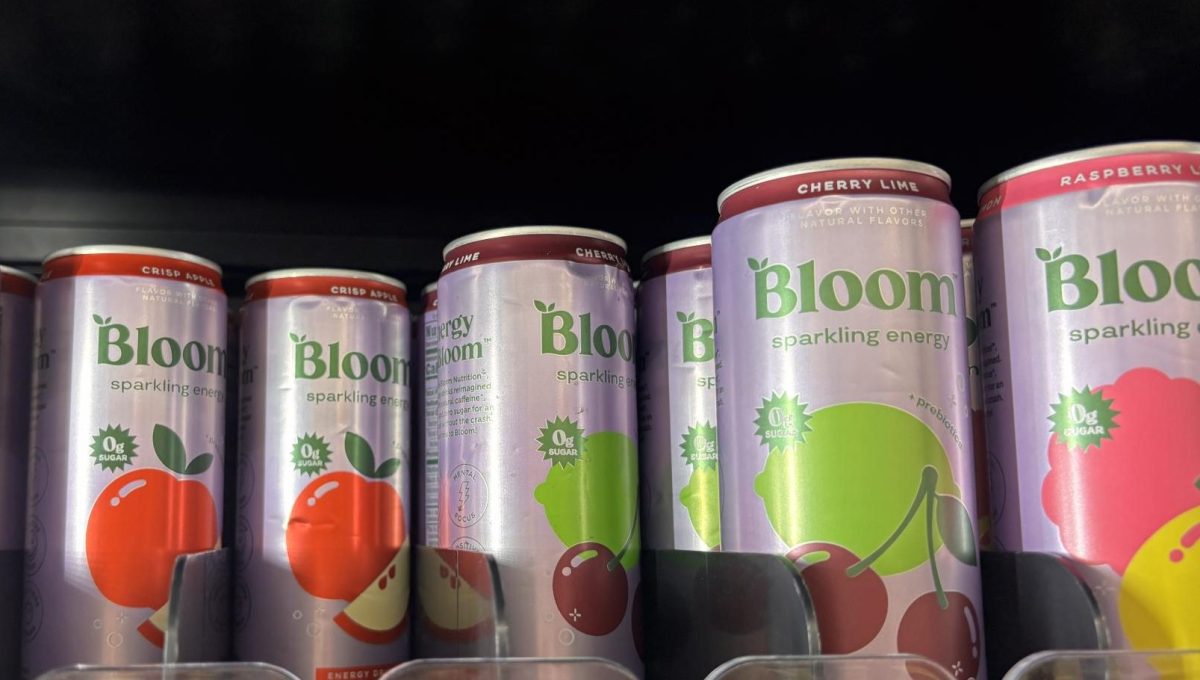
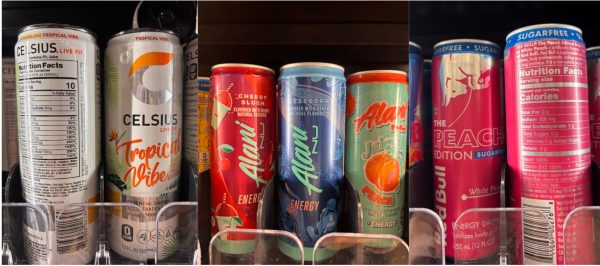
Understandably, the amount of stress and pressure school puts upon students is often the cause of their repetitive purchases of beverages. One of the most repurchased beverages caused by academic stress is energy drinks. Energy drinks promote increased attentiveness, which can increase academic success. A poll conducted by an equal representation of 230 students of freshmen, sophomores, juniors, and seniors at AGHS demonstrates that 24.8% of AGHS students bring energy drinks to school, with brands ranging from Bloom, Celsius, Alani, Redbull, and Monster.
In actuality, it’s recommended that students have less than 100mg of caffeine a day, while it’s common that popular energy drinks such as Bloom, Celsius, Alani, and Monster contain more than the recommended amount (UCLA Health). Although a normal serving size (8.4 fl oz) of redbull contains 80mg of caffeine, the larger sizes that most students consume can contain over100 mg.
(Viviana Stone)
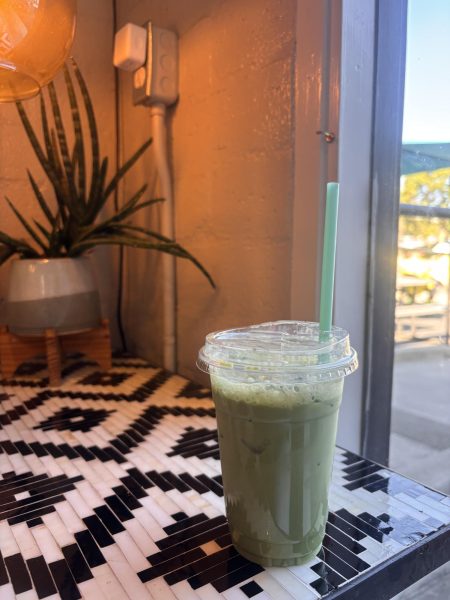
However, research shows that popular drinks like matcha have health benefits that some may call a “healthy addiction.” Although its popularity stems from trends on online platforms, matcha is scientifically proven to be advantageous for teens in particular. Due to matcha consisting of green tea leaves, it is more concentrated and therefore a healthier alternative in comparison to other caffeinated beverages. Matcha “doesn’t contain high amounts of potentially beneficial compounds,” while antioxidants in matcha act as a way to shield against harmful molecules. (The New York Times). Caffeine in matcha is also beneficial in that it has an “increase cognitive function” while maintaining under 100mg of caffeine.
Popular influences:
The rise of bringing a beverage to school can be categorized by two primary influences: social media and the environment. It is well established that the rise in social media consumption among teens influences many aspects of their lives, even so specific to what drinks they consume. Beverage brands like Starbucks and Dutch Bros advertise seasonal menus or limited-time drinks in order to draw more customers and also become popular on social media platforms. A poll conducted by the responses of an equal representation of each grade at AGHS demonstrates that 17.8% of students bring drinks from Starbucks and Dutch Bros.
Although social media accounts for popular trends, environmental influence has a stronger influence on teens’ consumption of beverages, according to a poll from AGHS students. The poll revealed that 46% of students selected their favorite drink from environmental factors stemming from friends, parents, and local restaurants or shops.
Some of the anonymous respondents have stated:
“My mom bought me the tea packets when I was like 6 years old, and I’ve loved it ever since.”
“My favorite drink is rootbeer and I came across it most likely at a restaurant.”
“I started drinking coffee a few years back, becoming curious about the taste after seeing my parents drink it every morning.”
Financial aspects:
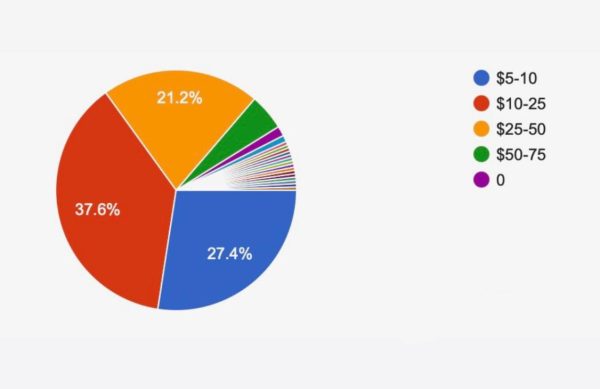
The increase in beverage consumption understandably has taken a toll on how much students are spending. Based upon the survey, 37.6% of students spend $10-25 a week on beverages. Although $10-25 seems inexpensive considering modern-day society, each week adds up.
Beverages are everywhere. Your teachers, your peers, and random people who walk past you on the way to class-most likely have brought a beverage to school. Each beverage holds its own nutritional value, each drink purchased from either personal aspects or the media they consume. Each drink has its own price, some holding their only beverage purchased for the week, and others holding their last for financial limitations. No matter the circumstance, beverages are more than “fun drinks.”