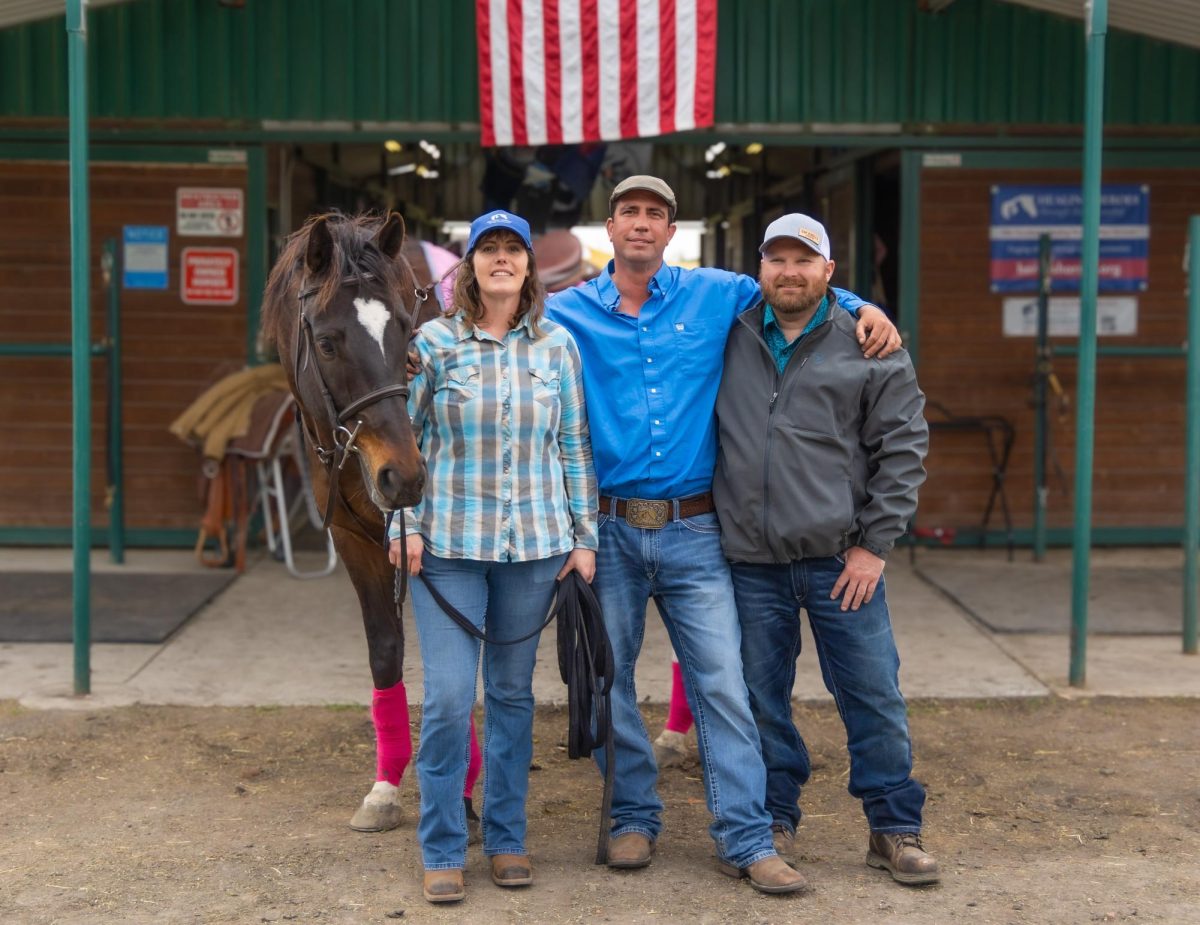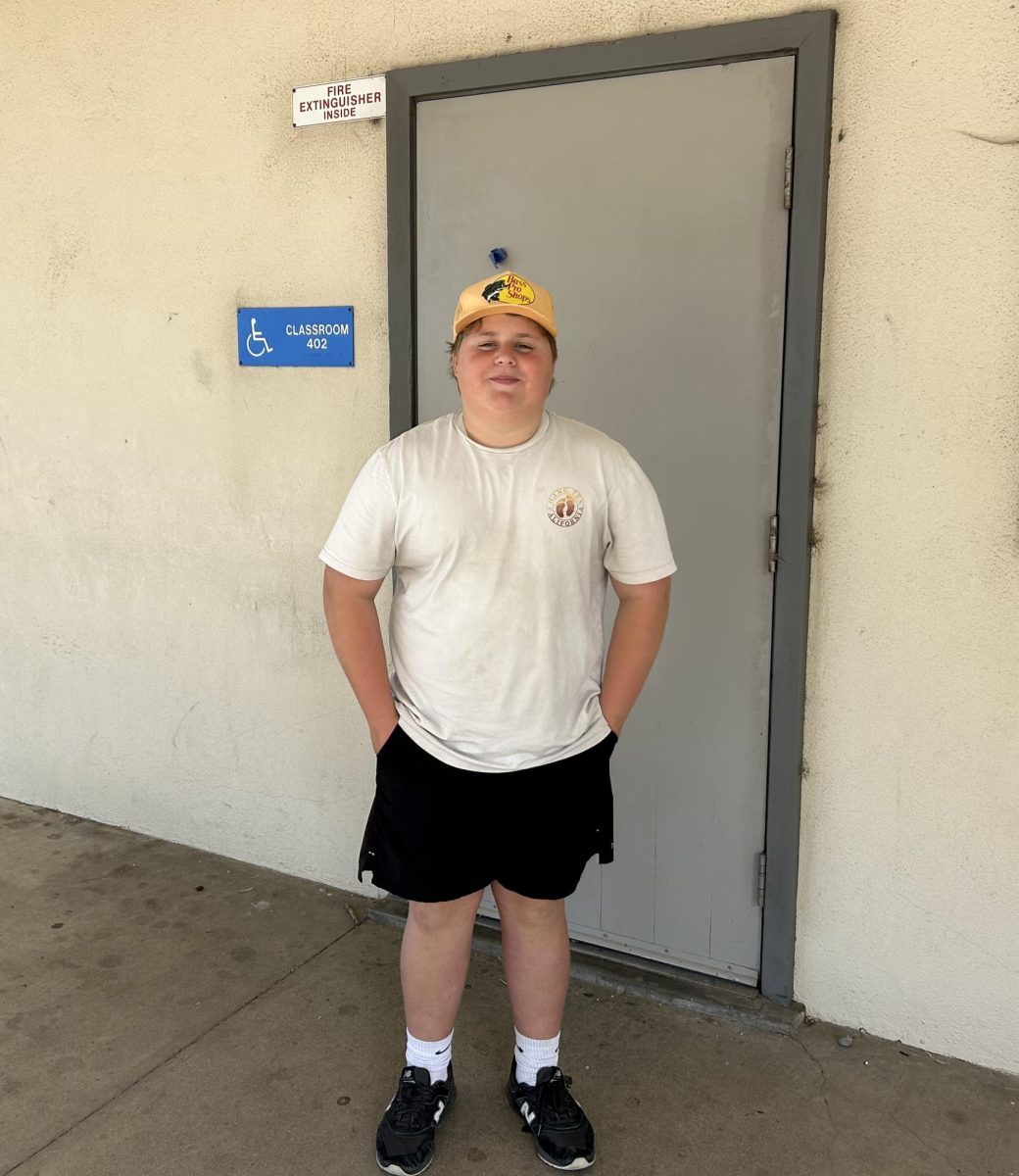

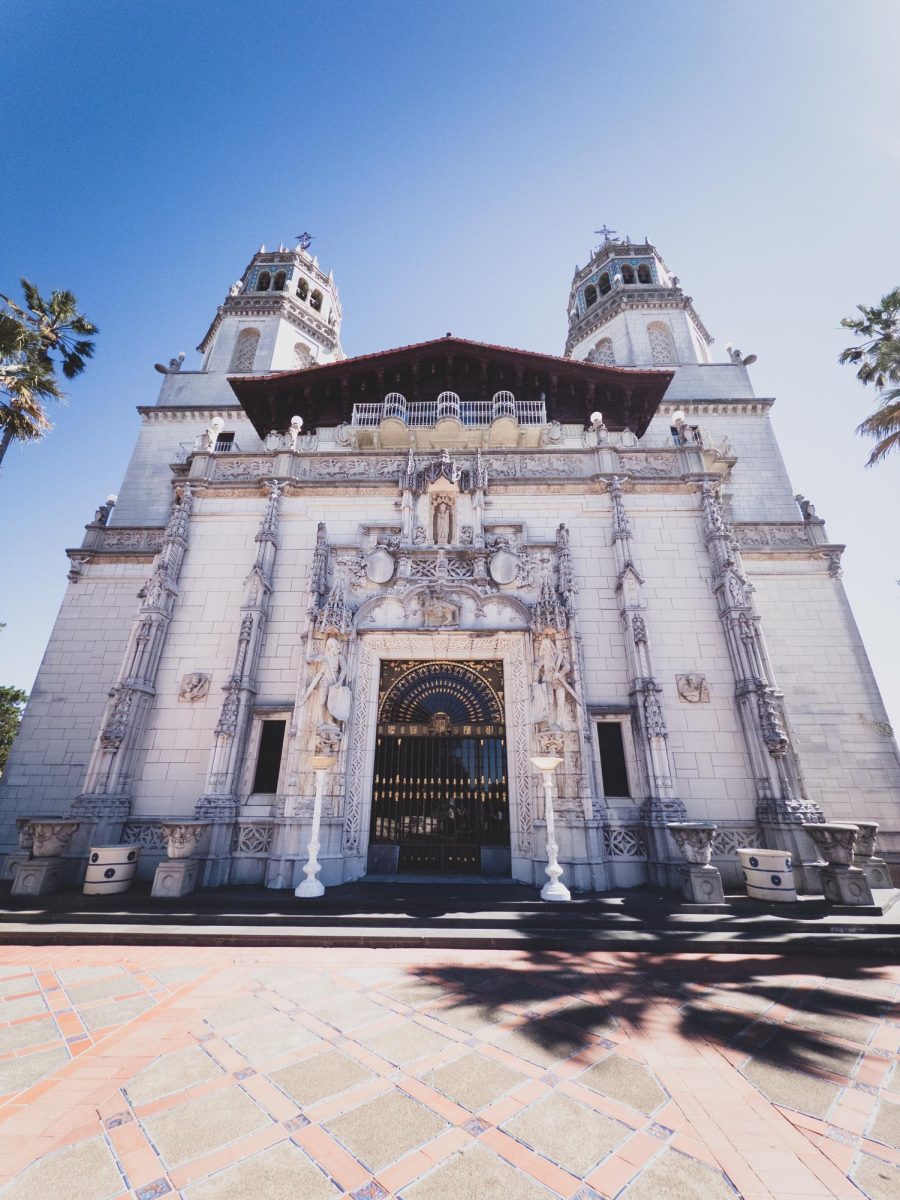
Intermediate and Advanced Architecture classes of AGHS’s Architectural Design CTE pathway took a trip to Hearst Castle on March 11. While other field trips have covered more standard parts of the pathway, a trip to an architectural wonder like Hearst Castle inspires students and enlightens them to the possibilities of their future work.
Previously this year, AGHS Architecture students took a trip to Diablo Canyon’s nuclear power plant to explore the pathway’s focus on engineering. The visit to Hearst Castle offered students a real-world perspective on architectural design.
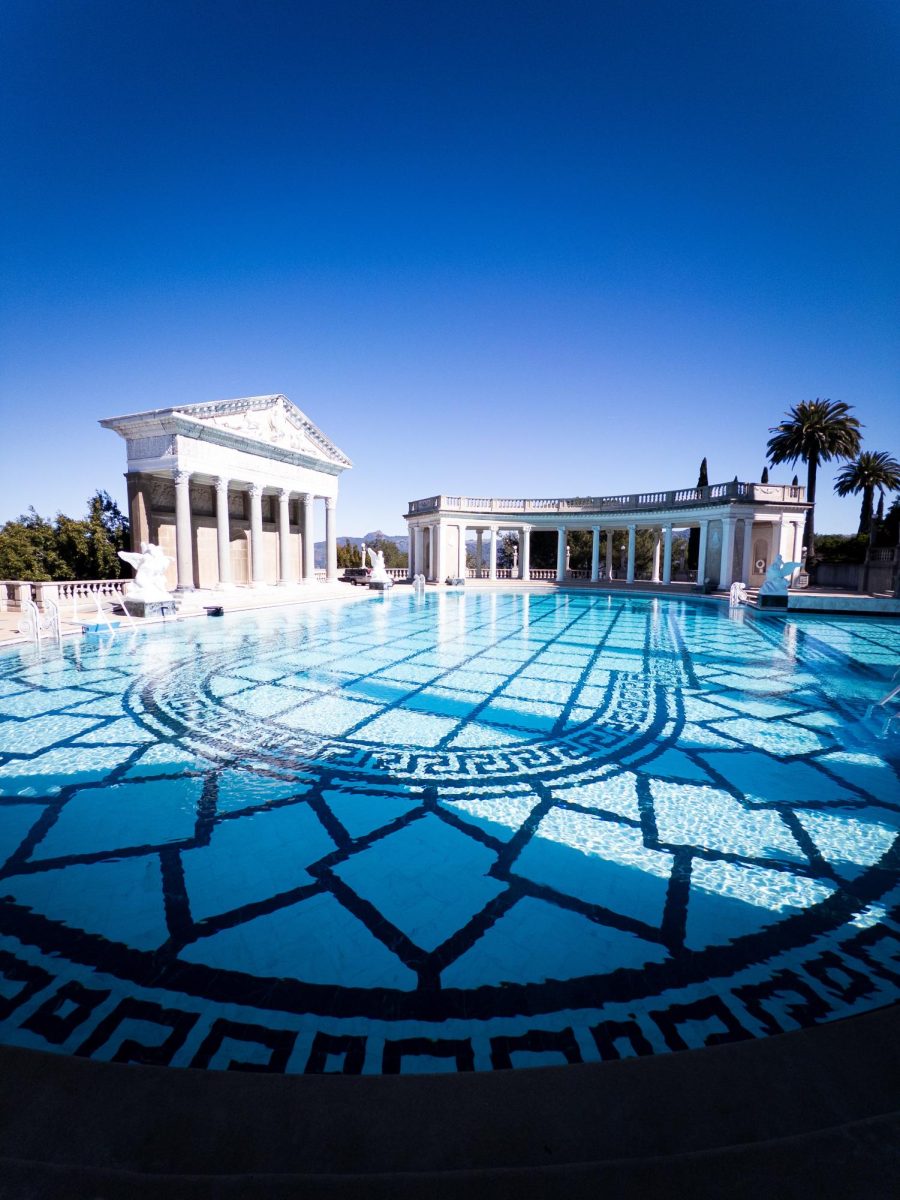
Hearst Castle is the culmination of William Randolph Hearst’s wealth into a gigantic estate. It has been treasured since its initial construction, and has been protected under the California State Parks system since 1958.
The sprawling estate took up over 250,000 acres in its prime—nearly a third of the size of Rhode Island—and still holds strong at 82,000 acres today. Casa Grande, the central structure, is only 68,500 square feet, and is surrounded by other structures like the Neptune and Roman pools, and Hearst’s humongous guest houses.
As students walked through the captivating structures of Hearst’s estate, it was clear that Casa Grande was the product of his uniquely close collaboration with his architect. Hearst hired Julia Morgan, California’s first licensed, female architect, to work on the project from 1919 to 1947.
A central point of the project’s development was Morgan’s position as lead architect. Not only did she hold that role, but she was also the civil engineer, lead landscape architect, interior decorator, and, effectively, the boss of the operation.
“And she does all that work by only showing up here on the weekends, usually once or twice a month. She communicated with Hearst by telegramming or calling,” the tour guide said.
Despite its massive footprint, the wonder of Hearst Castle comes from decisions forged from the architectural brainpower surrounding the estate.
While the Architectural Design pathway presents students with a range of speakers and trips, incorporating visits to structures like Hearst Castle would expand the program’s experiences.